Prior art
At first glance, it might look like the problem of helping users ask the right questions emerges with the rise of AI.
However, there are two prominent examples of prior art in product design that deal with this problem. First is StackOverflow. For lawyers reading this post: StackOverflow is a Q&A website launched in 2008 where software engineers ask questions, and other software engineers answer them. Let’s have a look:
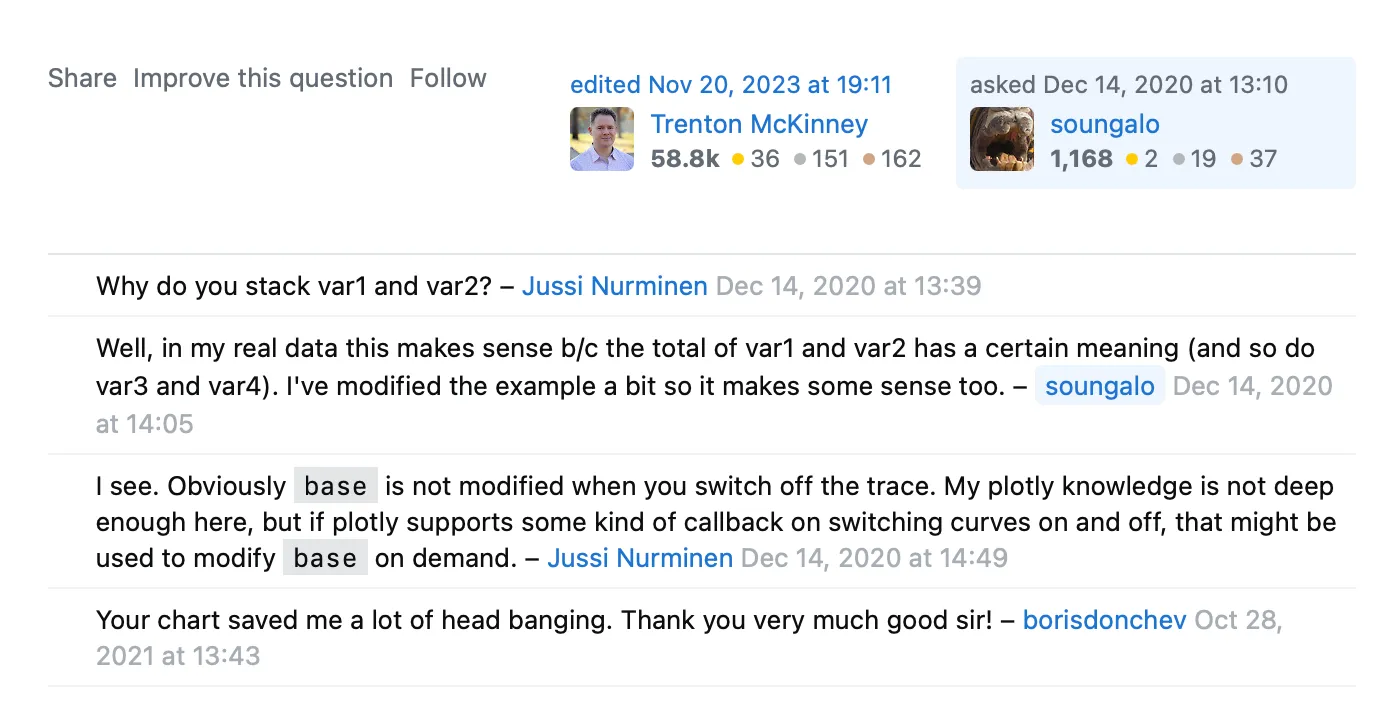
You see here follow-up questions asked by users of StackOverflow to the original question about plotting data on a chart. These follow-up questions help people trying to answer the question fully understand the intent and other details missing in the original question.
Interestingly, we see another profession that deals with precise (computer) language and struggles with asking the right questions. Again, if the original author of a question knew perfectly about relevant details, he most likely didn’t have to ask the question in the first place.
Another example of guiding users towards formulating the right question (query) is early Google’s “Did you mean that” feature:
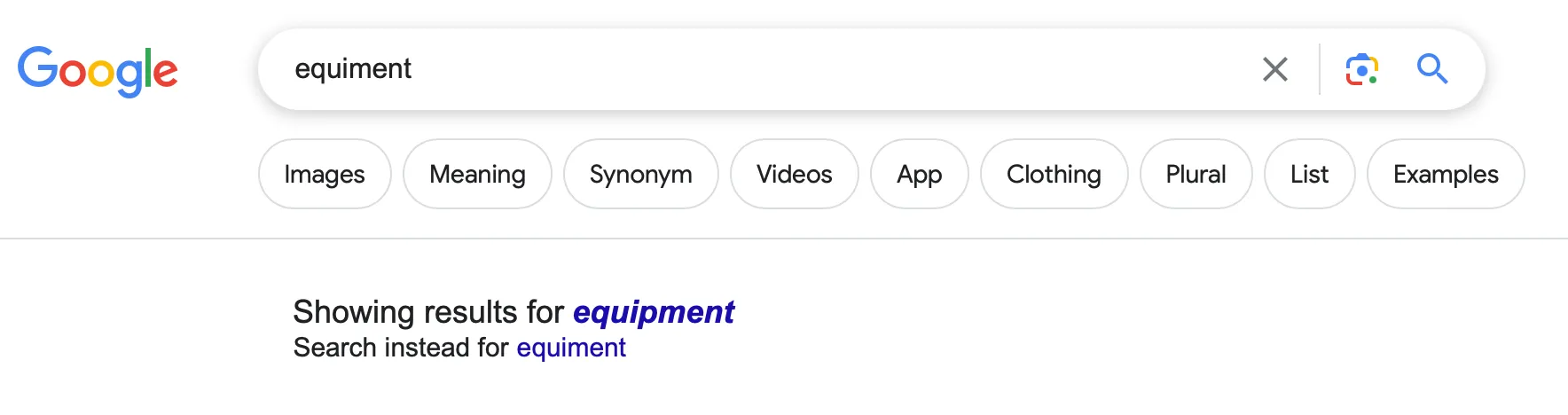
(later renamed to rather soulless “Showing results for”)
This feature was added by early Google engineers who noticed that a significant share of queries had some simple spelling mistakes that made Google not return what users meant.
I’m mentioning both examples to show that there’s a long tradition of bridging the gap between what a person has in mind and what is presented to the system: either a human system in StackOverflow’s case or a computer system in Google’s case.
If you know of other examples of AI applications that deal with a similar problem of transferring user’s knowledge to AI, I’d love to learn about their design choices.